Blog · Ingredients
Are SonoVive Ingredients Really Natural? Checking the 100% Natural Claim
The sales page says SonoVive uses 100% natural ingredients. Ginkgo, St. John's wort and bacopa come from plants, and huperzine A comes from club moss. Vinpocetine is the exception: FDA tentatively holds that it falls outside the definition of a dietary ingredient, and it began as a drug. Natural also does not mean safe.
Written by the SonoVive editorial teamMedically reviewed by Dr. Tracey Lynch, Au.D, Audiologist · Review date Published and updated · 7 min read

The claim
What does the SonoVive sales page say about natural ingredients?
The page promises ear support from 100% natural ingredients.
That line sits on the sales page. The bottle front does not say it. The front is brief: a brand name, a product type, a capsule count and two short claims. So "natural" is marketing wording added around the label, not a statement printed on it.
People search "sonovive natural ingredients" because the word feels reassuring. It is worth slowing down. A claim of 100% leaves no room for an exception, and one named ingredient is an exception.
Key facts
What are the key facts about SonoVive and natural ingredients?
- On the brand graphic you will find ginkgo biloba, St. John's wort, Bacopa monnieri, vinpocetine and huperzine A.
- Four of the five come from plants. Vinpocetine began as a European drug.
- FDA's tentative view puts vinpocetine outside the definition of a dietary ingredient.
- The sales page hints at more with "and more!", and sponsored articles list extras that nobody has confirmed.
- The vendor publishes no Supplement Facts panel, so the full list is not public.
- Natural is not the same as safe: St. John's wort can blunt many medicines.
- Badges such as non-GMO and gluten free have no certificate behind them online.
Ingredient by ingredient
Where does each SonoVive ingredient come from?
| Ingredient | What it is | Complication for a natural claim |
|---|---|---|
| Ginkgo biloba | An extract from tree leaves, sold for memory and blood flow | None for origin. May increase bleeding risk(NCCIH ginkgo) |
| St. John's wort | A flowering herb tested in trials for mild to moderate depression(Apaydin 2016 SJW review) | None for origin. Weakens many medicines(NCCIH St. John's wort) |
| Bacopa monnieri | An Ayurvedic herb tested for memory recall(Pase 2012 bacopa review) | A 2024 report flags contamination risk with this herb(ADDF bacopa 2024) |
| Vinpocetine | A compound created in Europe as a drug(MSKCC vinpocetine) | FDA's tentative view: outside the dietary ingredient definition(FDA vinpocetine) |
| Huperzine A | A club-moss alkaloid that slows the breakdown of a memory messenger(ADDF huperzine A) | Acts like some dementia drugs, so it can clash with them |
Read down the right column. Only one row breaks the "all natural" story outright, but it is a named ingredient, so the word "100%" cannot stand.
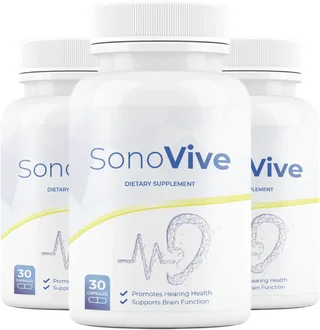
If you still want to see the product, the order page shows the pack, the price and the refund terms.We earn money when you buy through our order links. The price you pay stays the same.
See today's price and guaranteeThe odd one out
Is vinpocetine natural?
No source we use describes vinpocetine as natural. Memorial Sloan Kettering records that it was created in Europe as a medicine.(MSKCC vinpocetine) FDA's view, first reached in 2016 and still called tentative, is that vinpocetine does not meet the definition of a dietary ingredient.(FDA vinpocetine)
In June 2019 FDA also warned that pregnant women and women who could become pregnant should not take it, because it is linked to miscarriage and harm to the unborn baby. FDA names no safe amount.
So we leave the sales page's wording out, say what each ingredient is and let you judge. Our deeper look is in the vinpocetine and FDA guide.
Natural versus safe
Does natural mean safe?
No. Plants are full of strong chemistry. St. John's wort is the clearest case. It is a plain yellow-flowered herb, yet it can make birth control pills, warfarin, cyclosporine, some statins and some antidepressants work less well.(NCCIH St. John's wort)
Ginkgo is another. It may raise bleeding risk, most of all alongside anticoagulants.(NCCIH ginkgo) A two-year, high-dose rodent study by the National Toxicology Program reported clear evidence of liver tumors in mice. Results in rodents at high doses do not prove harm in people, but they are a reason not to treat ginkgo as risk-free.(NTP ginkgo TR-578)
So when a page leads with the word natural, ask the next question: what does it do to my medicines? Show the bottle to a pharmacist.
Other badges
What do the non-GMO, gluten free and Made in USA badges prove?
They show what the seller states. No certificate, certifier or test report sits behind them online. The same goes for the GMP badge: it carries the letters, but no certifier, plant or audit date is named.
A Made in USA claim has a federal yardstick. The FTC says an unqualified claim means all or virtually all of the product is made here, ingredients included.(FTC Made in USA) With no maker named and no sourcing published, nobody can check it. We keep the badges as pictures and do not turn them into promises.
The capsule
What is the capsule itself made of?
The vendor does not say. One sponsored article lists gelatin, and the sales page shows a plant-style badge. The two do not agree, so we never call SonoVive vegetarian.
Gelatin comes from animals. If that matters to you, ask the order desk before you buy: the number is +1 (302) 200-3480. Your bottle's "other ingredients" line answers it too.
Check yourself
How can you find out what is really in your bottle?
- Turn the bottle around. Find the Supplement Facts box. Photograph it.
- Read the other ingredients line. It names the capsule shell and any fillers.
- Look for the word blend. In a blend only the total weight must be shown, and ingredients appear in order of weight.
- Ask the desk. Request the panel, any blend details and a lab report for your lot. No lab report is published.
If your bottle differs from what we describe, your bottle wins.
FAQ
Frequently asked questions
Are SonoVive ingredients 100% natural?
The sales page says so, but the claim is hard to support. Four named ingredients come from plants. Vinpocetine was first developed as a drug, and FDA says it does not meet the definition of a dietary ingredient.
Is everything in SonoVive from plants?
Ginkgo, St. John's wort and bacopa are plants, and huperzine A comes from club moss. The sales page adds "and more!", and sponsored articles list further ingredients, none confirmed. Your bottle's panel is the only reliable list.
Is SonoVive vegetarian?
We do not call it that. One sponsored article lists a gelatin capsule, while the sales page shows a plant-style badge. The vendor publishes no capsule details, so ask the order desk.
Is natural the same as safe for SonoVive?
No. St. John's wort can weaken many medicines, and ginkgo and vinpocetine may add to bleeding risk. Natural origin does not remove those risks, so check your medicines with a pharmacist.
Does SonoVive have certificates for its badges?
None is published. The GMP, non-GMO, gluten free and Made in USA badges are the seller's statements, with no certifier, plant or report named. Treat them as pictures until a certificate appears.
Does the sales page say SonoVive is FDA approved?
Its wording links FDA approval to the facility, which we do not repeat. FDA does not approve supplements or facilities, and a registration number is not an approval.
Our verdict
Our view
"Natural" is a mood, not a measurement. The honest line is narrower: SonoVive names five ingredients, four from plants and one with a drug history, and the vendor has not published the rest.
Use the word as a prompt to read the label, not as a reason to relax. If you take daily medicines, the pharmacist matters more than the badge. We earn money when you order through our links, so we try to point out where the wording runs ahead of the facts.
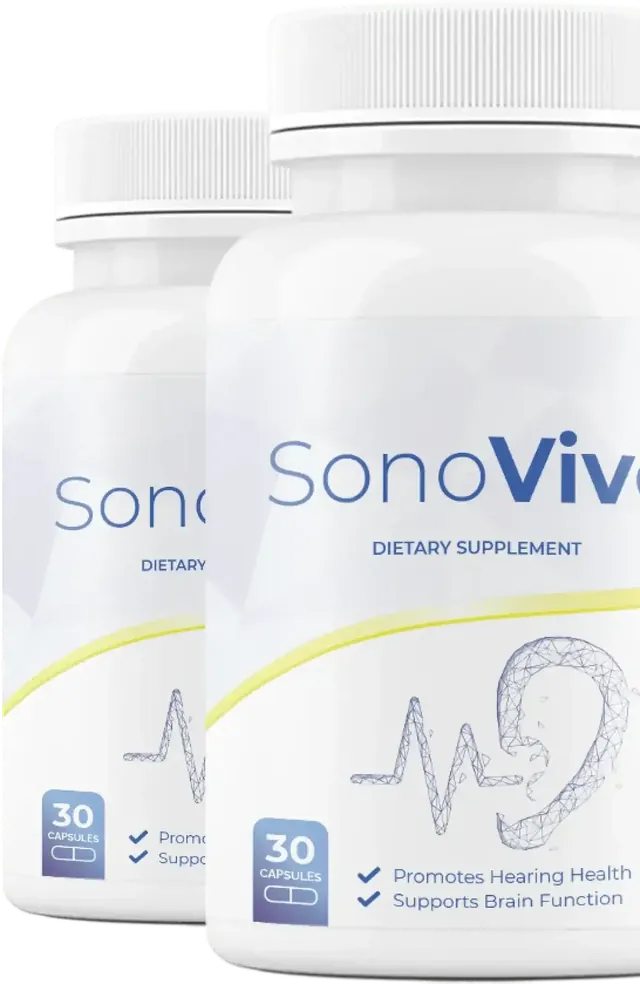
If you decide to look further, the order page shows the pack, the price and the 60-day refund terms.We earn money when you buy through our order links. The price you pay stays the same.
See today's price and guaranteeLast updated .
This page is general information, not medical advice. SonoVive is a dietary supplement. It is not FDA approved, and no supplement is. Talk to your doctor or pharmacist about your own health and medicines.