Guide
Hearing Health Guide: What to Do About Ringing and Muffled Hearing Before SonoVive
Get your hearing tested before you try any supplement. About one in three U.S. adults aged 65 to 74 has hearing loss, and hearing aids are the proven help (NIDCD age-related hearing loss). For ringing, NIDCD lists sound therapy, hearing aids and counseling; no supplement has been shown to work (NIDCD tinnitus). SonoVive, if you choose it, sits beside that care, never in place of it.
Written by the SonoVive editorial teamUpdated
You are not alone
How common is hearing loss after 60?
Very common. NIDCD says about one in three Americans aged 65 to 74 has hearing loss, and nearly half of those older than 75 have trouble hearing (NIDCD age-related hearing loss).
It usually creeps in. Voices sound mumbled, the TV gets louder, and restaurants become tiring. Many people notice the ringing before they notice the loss. The bars put the numbers side by side.
Reported amounts come from sponsored articles and are not confirmed by the vendor; study doses are from the GEM trial (GEM trial (DeKosky 2008)) and bacopa trials (Pase 2012 bacopa review). Hearing figures are from NIDCD: about one in three people aged 65 to 74 and nearly half of those over 75 have hearing loss (NIDCD age-related hearing loss).
Act fast
Which hearing symptoms need a doctor right away?
Hearing that drops over hours or a few days needs a doctor the same day. NIDCD calls sudden deafness a medical emergency, and treatment that starts after two to four weeks is less likely to help (NIDCD sudden deafness).
Hearing loss or ringing in one ear only. Ringing that beats in time with your pulse. Spinning dizziness. Ear pain, fluid or blood. A clear change in your hearing within the past six months. FDA names these as reasons to see a doctor, ideally an ear, nose and throat specialist, before buying hearing aids (FDA OTC hearing aids).
A slow, even change in both ears over years is the common pattern with age. That still deserves a test, just not an emergency visit. Read why speed matters in our sudden hearing loss article.
Sort your symptoms
Is it ringing, hearing loss or both?
They often travel together, but the next step differs.
| What you notice | What it may be | Usual first step |
|---|---|---|
| Steady hum or hiss in both ears, worse at night | Tinnitus, often with some hearing loss | Primary care doctor, then a hearing test (NIDCD tinnitus) |
| People seem to mumble; you ask them to repeat | Age-related hearing loss | Hearing test; hearing aids if loss is found (NIDCD age-related hearing loss) |
| Mild trouble in noisy places only, both ears | Possible mild loss | Test, or an over-the-counter aid for adults 18+ with perceived mild to moderate loss (FDA OTC hearing aids) |
| Sudden loss, one ear | Sudden deafness | Doctor the same day (NIDCD sudden deafness) |
| Ringing that pulses with your heartbeat | Needs a medical look | Doctor before any device or supplement (FDA OTC hearing aids) |
| Ringing plus dizziness or ear pain | Needs a medical look | Ear, nose and throat doctor (FDA OTC hearing aids) |
A table cannot diagnose you. It shows which door to knock on first.
The first appointment
What happens at a hearing test?
A hearing test measures the softest sounds you can hear at different pitches, and how well you pick out words. It is painless.
Your primary care doctor can look in your ears and refer you on. NIDCD suggests starting there for ringing (NIDCD tinnitus). The results show whether loss is present, in which ear, and at which pitches.
What to bring
- A list of every medicine and supplement you take, with doses
- A note of when the ringing or loss began, and whether it came on fast
- Your noise history: factory work, firearms, concerts, power tools
- A family member, if you miss parts of conversations
Take the 67-year-old retired machinist again. His test may show high-pitch loss in both ears from years of noise. That single result changes his choices more than any capsule could.
What actually helps
What treatments help hearing loss and tinnitus?
Hearing aids help most people with age-related loss, and they often make ringing less noticeable too. NIDCD also lists cochlear implants and assistive listening devices for hearing loss (NIDCD age-related hearing loss), and sound therapy and counseling for ringing (NIDCD tinnitus).
Hearing aids
Since 2022, adults 18 and over with perceived mild to moderate loss can buy them over the counter, without a prescription (FDA OTC hearing aids). Stronger loss needs a fitted aid.
Cochlear implants
For severe loss where aids no longer help enough. A specialist decides who qualifies (NIDCD age-related hearing loss).
Sound therapy
Soft background sound, from a fan to a small sound generator, makes ringing harder to notice (NIDCD tinnitus).
Counseling
Cognitive behavioral therapy changes how much the ringing bothers you, even if the sound stays (NIDCD tinnitus).
How SonoVive compares with a device is laid out in SonoVive vs hearing aids.
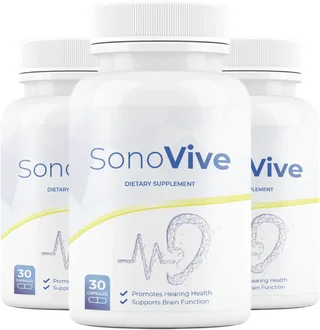
Check your medicines, then decide30 capsules a bottle · $69 for one bottle · 60-day refund window
Order nowEvery day
How can you protect your hearing day to day?
- With breakfast, about 8:00
A meal you never skip makes one capsule a day easy to remember. Follow the amount on your bottle.
- Or with dinner
If mornings are rushed, dinner works too. The vendor gives no time of day.
- A quiet break
Give your ears a rest from loud TV, tools and traffic. Wear earplugs for mowing or power tools.
- Sleep with soft sound
Ringing often feels louder in a silent room. A fan or quiet sound machine is a simple form of sound therapy.
Timing is a suggestion; follow your bottle. Sound therapy, hearing aids and counseling are the tinnitus helps NIDCD lists (NIDCD tinnitus).

Small habits add up. Turn the TV down a notch. Wear earplugs for the mower and power tools. Give your ears quiet breaks after loud places. More ideas are in how to protect your hearing.
Where supplements fit
Can a supplement like SonoVive help your hearing?
No supplement has been shown to help tinnitus, according to NIDCD (NIDCD tinnitus). That includes the five ingredients named for SonoVive.
Ginkgo is the only one tested for ringing. A 2022 Cochrane review of 12 studies with 1,915 people found the benefit uncertain (Cochrane: Ginkgo for tinnitus 2022). Read the details on our ginkgo page. Bacopa and huperzine A were studied for memory. St. John's wort was studied for low mood. None of these trials measured hearing.
So a fair way to think about SonoVive: an optional extra for an adult who has had a test, has checked medicines with a pharmacist, and wants to try something within a refund window. Never a replacement for the steps above.
Think of a 58-year-old on an antidepressant who wants to add SonoVive for ringing. St. John's wort can weaken antidepressants and many other drugs, and can cause serious serotonin side effects (NCCIH St. John's wort). Her prescriber should hear about it first.
A simple plan
What is a sensible order of steps for ringing or muffled hearing?
Rule out an emergency
Sudden or one-sided change means a doctor today.
Book a hearing test
Know what kind of loss you have, if any.
Try the proven helps
Hearing aids, sound therapy, counseling.
Then weigh extras
Check medicines first, then use the supplement checklist.
FAQ
Hearing health and SonoVive: questions people search
Should I see a doctor or try SonoVive first for ringing in my ears?
See a doctor first. NIDCD advises starting with your primary care doctor for tinnitus, and no supplement has been shown to work. A visit can find causes that need their own care. SonoVive, if you try it, comes after that check.
Can SonoVive replace hearing aids?
No. Hearing aids are the proven treatment for age-related hearing loss, and adults with perceived mild to moderate loss can buy them over the counter. SonoVive is a dietary supplement that has never been tested for hearing in any published study.
Is ringing in one ear serious?
It can be. FDA lists ringing or hearing loss in only one ear as a reason to see a doctor, ideally an ear specialist, before buying hearing aids. Book a visit rather than trying a supplement first.
How fast should I act on sudden hearing loss?
The same day. NIDCD calls sudden deafness a medical emergency, and treatment delayed more than two to four weeks is less likely to reverse or reduce lasting loss. Do not wait to see whether a supplement helps.
Does ginkgo in SonoVive help tinnitus?
The evidence says probably not much. A 2022 Cochrane review of 12 studies found uncertain benefit and possibly little to no effect on how bad ringing feels. NCCIH says research does not support ginkgo for tinnitus. SonoVive also does not publish how much ginkgo it contains.
What helps tinnitus at night?
Soft background sound is the simplest step. Ringing often seems louder in a silent bedroom, so a fan or a quiet sound machine can mask it. NIDCD lists sound therapy, hearing aids and counseling as ways to reduce the bother of tinnitus.
Who wrote this
Written and reviewed by
Plain-language pages built from the bottle images, the vendor's sales and help pages and linked public health sources such as NIH, FDA and Cochrane.
Last updated . Read our editorial standards and how we check reviews. This website is run by Sonovives, a USA authorized SonoVive retailer, not by the manufacturer. We earn money when you buy through our order links.
Keep reading
More about SonoVive
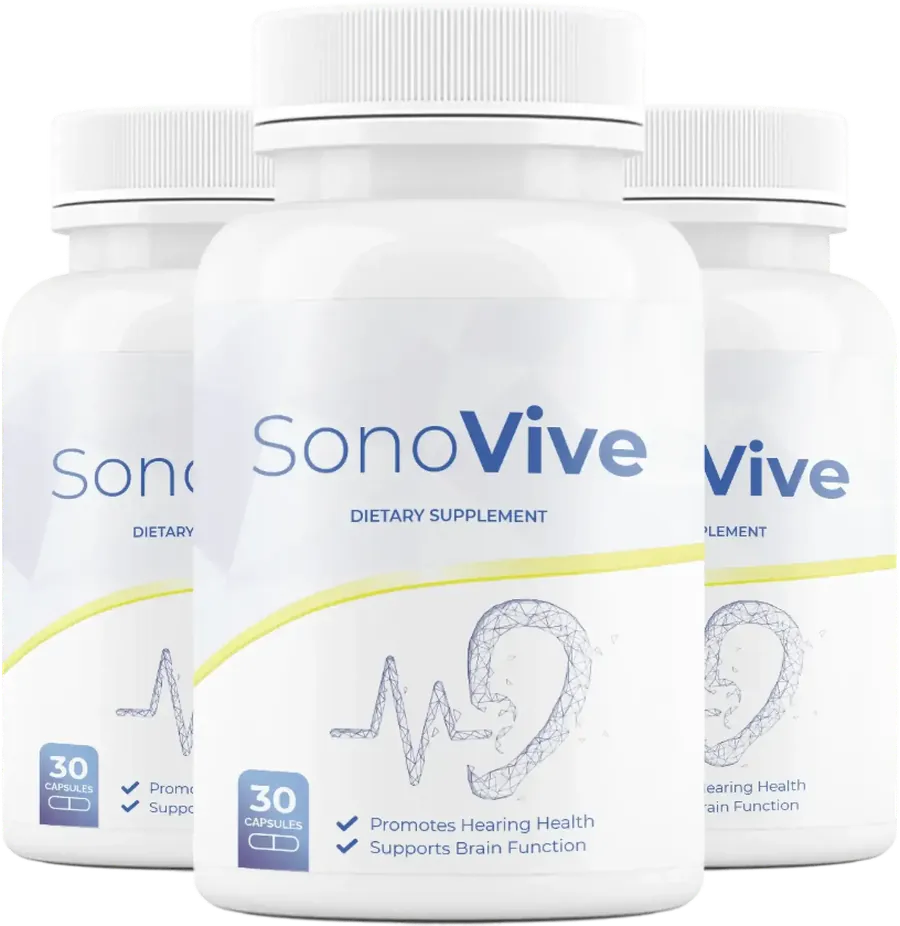
SonoVive vs hearing aids
A fair side-by-side of SonoVive capsules and hearing aids: evidence, cost, safety, tinnitus and who each suits.
Read more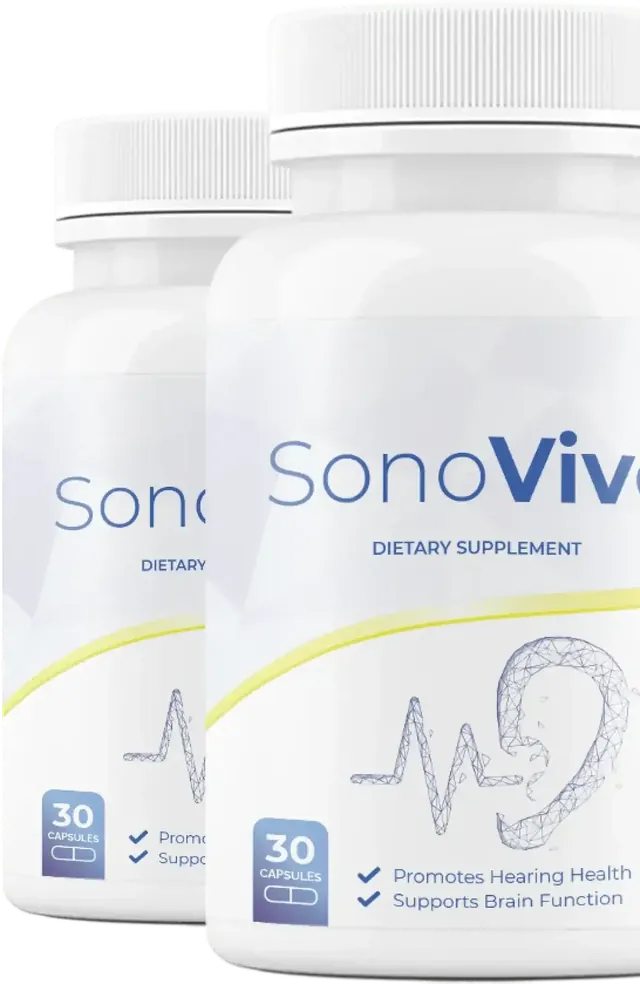
Who it's for
A quick fit check for SonoVive: who might try it, who should ask first, and who should not take it.
Read more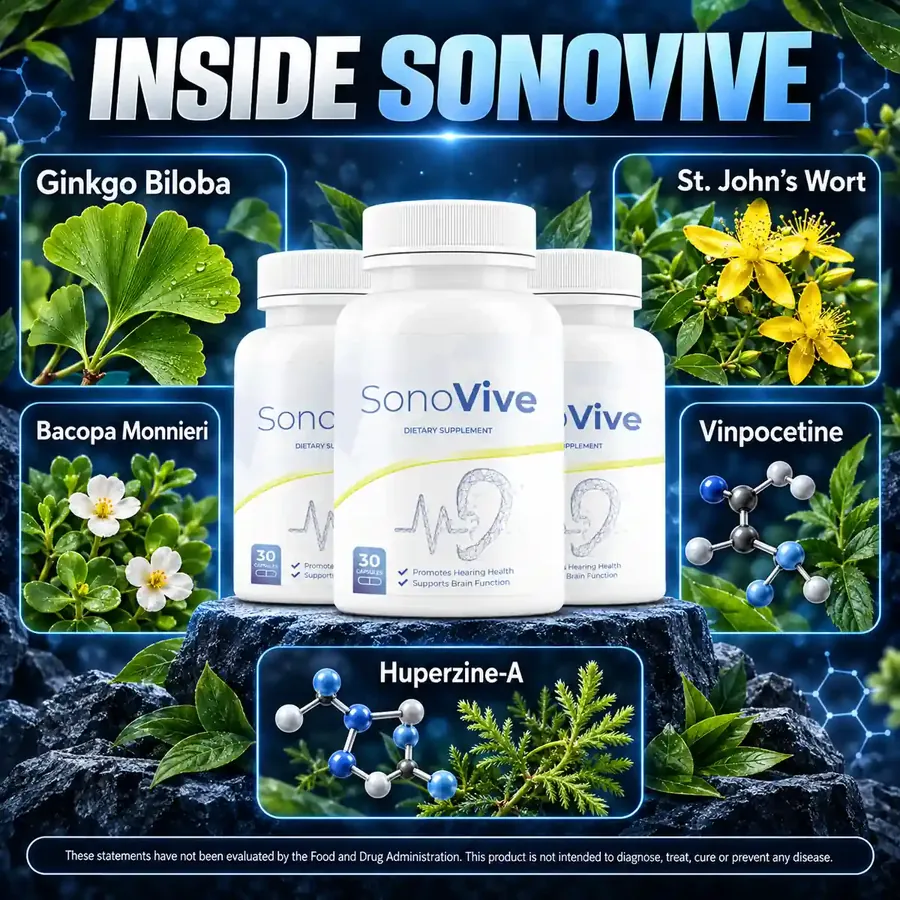
Side effects
Side effects of each SonoVive ingredient, the medicines St. John's wort can weaken, and who should not take it.
Read moreUSA Authorized SonoVive Retailer
Thinking about SonoVive?
Book a hearing test, check your medicines with a pharmacist, then pick a pack. Keep your order email: it is the key to any refund.
- Secure checkout
- 60-day money-back window
- Tracking in the order email