Blog · Hearing health
Sudden Hearing Loss Is an Emergency: Signs, Timing and What to Do
If your hearing drops in one or both ears over a few hours or days, see a doctor today. NIDCD calls sudden deafness a medical emergency, and treatment delayed more than two to four weeks is less likely to reverse or reduce permanent hearing loss (NIDCD sudden deafness). No supplement, SonoVive included, is a reason to wait.
Written by the SonoVive editorial teamUpdated · 8 min read

The plain answer
What is sudden hearing loss?
It is hearing that drops fast, over a few hours or a few days, instead of slowly over years. It can hit one ear or both.
It can feel like one ear is plugged, with the phone faint on that side. New ringing or dizziness may come with it.
Take Linda, 61, who wakes on a Monday with a dull left ear. She blames a cold and plans to wait a week. That plan is the risk. NIDCD says to treat sudden deafness as a medical emergency and to see a doctor right away (NIDCD sudden deafness).
Timing
Why is sudden hearing loss an emergency?
Because waiting can cost hearing for good. NIDCD states that treatment delayed for more than two to four weeks is less likely to reverse or reduce permanent hearing loss (NIDCD sudden deafness).
- Hours 0-24
Call your doctor and ask for a same-day visit. If you cannot get one, go to urgent care or an emergency room.
- Days 1-7
If you have not been seen yet, push for an appointment now. Ask whether a hearing test can be done.
- Weeks 2-4
NIDCD says the odds start to slip here. Late still beats never.
Red flags
Which ear symptoms mean you should see a doctor now?
Sudden loss tops the list, but it is not alone. FDA tells people with any of the signs below to see a doctor, ideally an ear, nose and throat specialist, before buying an over-the-counter hearing aid (FDA OTC hearing aids).
| Symptom | How soon | Source |
|---|---|---|
| Hearing drops over hours or days | Today: medical emergency | (NIDCD sudden deafness) |
| Hearing changed in the past 6 months | Book a doctor visit soon | (FDA OTC hearing aids) |
| Hearing loss or ringing in one ear only | Book a doctor visit soon | (FDA OTC hearing aids) |
| Ringing that pulses with your heartbeat | Book a doctor visit soon | (NIDCD tinnitus) |
| Vertigo or spinning dizziness | Book a doctor visit soon | (FDA OTC hearing aids) |
| Ear pain, fluid or blood from the ear | Book a doctor visit soon | (FDA OTC hearing aids) |
The first day
What should you do in the first 24 hours?
Call for a same-day visit
Say the words "sudden hearing loss" when you call.
Write down the start time
Note which ear, when it began and any ringing or dizziness.
Pack your medicine list
Include every pill, vitamin and supplement you take.
Do not wait it out
A cold-like feeling is not a reason to delay.
Supplements
Can a supplement like SonoVive help sudden hearing loss?
No. No study of SonoVive has been published, and none of its five named ingredients has been tested for sudden hearing loss. The bottle's "Promotes Hearing Health" is a general seller claim, not a treatment claim.
Tell the doctor. SonoVive names St. John's wort, which can weaken many medicines (NCCIH St. John's wort).
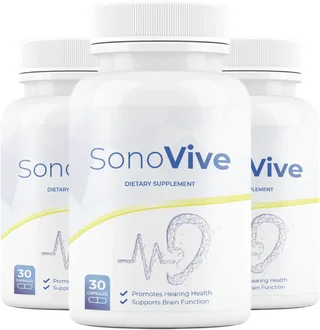
Check your medicines, then decide30 capsules a bottle · $69 for one bottle · 60-day refund window
Order nowSudden vs gradual
How is sudden hearing loss different from age-related hearing loss?
Age-related loss is common and slow. Watch the bars fill in.
Reported amounts come from sponsored articles and are not confirmed by the vendor; study doses are from the GEM trial (GEM trial (DeKosky 2008)) and bacopa trials (Pase 2012 bacopa review). Hearing figures are from NIDCD: about one in three people aged 65 to 74 and nearly half of those over 75 have hearing loss (NIDCD age-related hearing loss).
Age-related loss creeps up over years. It affects about one in three Americans aged 65 to 74 (NIDCD age-related hearing loss). Sudden loss arrives in days.
| Feature | Sudden | Age-related |
|---|---|---|
| Speed | Hours to a few days | Slowly, over years |
| What to do | See a doctor today (NIDCD sudden deafness) | Hearing test, then hearing aids if needed (NIDCD age-related hearing loss) |
| Can you wait? | No: delays past 2-4 weeks lower the odds | Not urgent, but do not put it off for years |
At the visit
What will the doctor want to know?
Bring written answers to these questions:
- When did you first notice the change, to the day or hour?
- Which ear, or both?
- Is there new ringing, fullness, dizziness or pain?
- What medicines, vitamins and supplements do you take?
The supplement question matters: supplements can interact with medicines or change your response to anesthesia (ODS: What you need to know). Bringing the bottles works too.
Afterward
What happens after sudden hearing loss?
Treatment can sometimes reverse or reduce the loss, and fast care gives you the best chance (NIDCD sudden deafness). If some loss remains, hearing aids can help, and a lingering ring can be eased with sound therapy and counseling (NIDCD tinnitus).
Keep a follow-up hearing test on the calendar. For lasting loss, see SonoVive vs hearing aids and our hearing health guide. For ringing that stays, see what actually helps tinnitus.
Sources
Where do these facts on sudden hearing loss come from?
- Sudden Deafness. National Institute on Deafness and Other Communication Disorders (NIH), current.Consider sudden deafness "a medical emergency and visit a doctor immediately." "Treatment that is delayed for more than two to four weeks is less likely to reverse or reduce permanent hearing loss."
- OTC Hearing Aids: What You Should Know. U.S. Food and Drug Administration, 2023.OTC hearing aids are for people 18 and older with perceived mild to moderate hearing loss. See a doctor (preferably an ENT) for hearing change in the past 6 months, vertigo, ear fluid or blood, ear pain, or hearing loss or ringing in only one ear.
- Tinnitus. National Institute on Deafness and Other Communication Disorders (NIH), current."Currently, there is no cure for tinnitus, but there are ways to reduce symptoms." Vitamins, herbal extracts and supplements are advertised as cures but none has been proven effective. First see your primary care doctor; sound therapy, hearing aids and counseling help.
- Age-Related Hearing Loss (Presbycusis). National Institute on Deafness and Other Communication Disorders (NIH), current.About one in three people in the U.S. aged 65 to 74 has hearing loss and nearly half of those older than 75 have difficulty hearing. Treatments: hearing aids (OTC since 2022 for mild to moderate loss), cochlear implants, assistive listening devices.
- St. John's Wort. National Center for Complementary and Integrative Health (NIH), current.Can weaken many medicines, including warfarin, birth control pills, cyclosporine, some statins and antidepressants such as amitriptyline and bupropion; with serotonin-affecting drugs it may cause serious serotonin-related side effects. Side effects: diarrhea, dizziness, trouble sleeping, restlessness, skin tingling; severe skin reactions after sun exposure at large doses.
- Dietary Supplements: What You Need to Know. NIH Office of Dietary Supplements, 2023.Supplements can interact with some medicines; some can increase bleeding risk or change response to anesthesia if taken before surgery. FDA does not determine whether supplements are effective before they are marketed. Report problems to FDA at 800-FDA-1088.
FAQ
Sudden hearing loss: common questions
Is sudden hearing loss an emergency?
Yes. NIDCD says to consider sudden deafness a medical emergency and see a doctor right away. Treatment that starts more than two to four weeks after the loss is less likely to reverse or reduce permanent damage, so do not wait to see if it clears on its own.
Should I go to the ER for sudden hearing loss?
Call your doctor first and ask for a same-day visit. If you cannot be seen that day, urgent care or an emergency room is the right next step.
Should I wait to see if sudden hearing loss gets better?
No. NIDCD says treatment delayed more than two to four weeks is less likely to reverse or reduce permanent hearing loss. Waiting a week to see if a muffled ear clears uses up that window. See a doctor at once.
Can SonoVive help with sudden hearing loss?
No. SonoVive has never been studied, and none of its named ingredients has evidence for treating sudden hearing loss. The bottle's Promotes Hearing Health wording is a general seller claim. Sudden loss needs a doctor today, and you should tell the doctor if you take SonoVive.
What does sudden hearing loss feel like?
It can feel like one ear is plugged or muffled, with sounds on that side faint or far away. New ringing or dizziness may come at the same time. Any of these over hours or days is a reason to call a doctor.
Can I use an over-the-counter hearing aid for sudden hearing loss?
No. FDA says people with hearing that changed in the past 6 months, loss in one ear only, vertigo, ear pain or fluid should see a doctor before buying an OTC hearing aid. Sudden loss needs a medical check first.
Who wrote this
Written and reviewed by
Plain-language pages built from the bottle images, the vendor's sales and help pages and linked public health sources such as NIH, FDA and Cochrane.
Last updated . Read our editorial standards and how we check reviews. This website is run by Sonovives, a USA authorized SonoVive retailer, not by the manufacturer. We earn money when you buy through our order links.
Keep reading
More about SonoVive
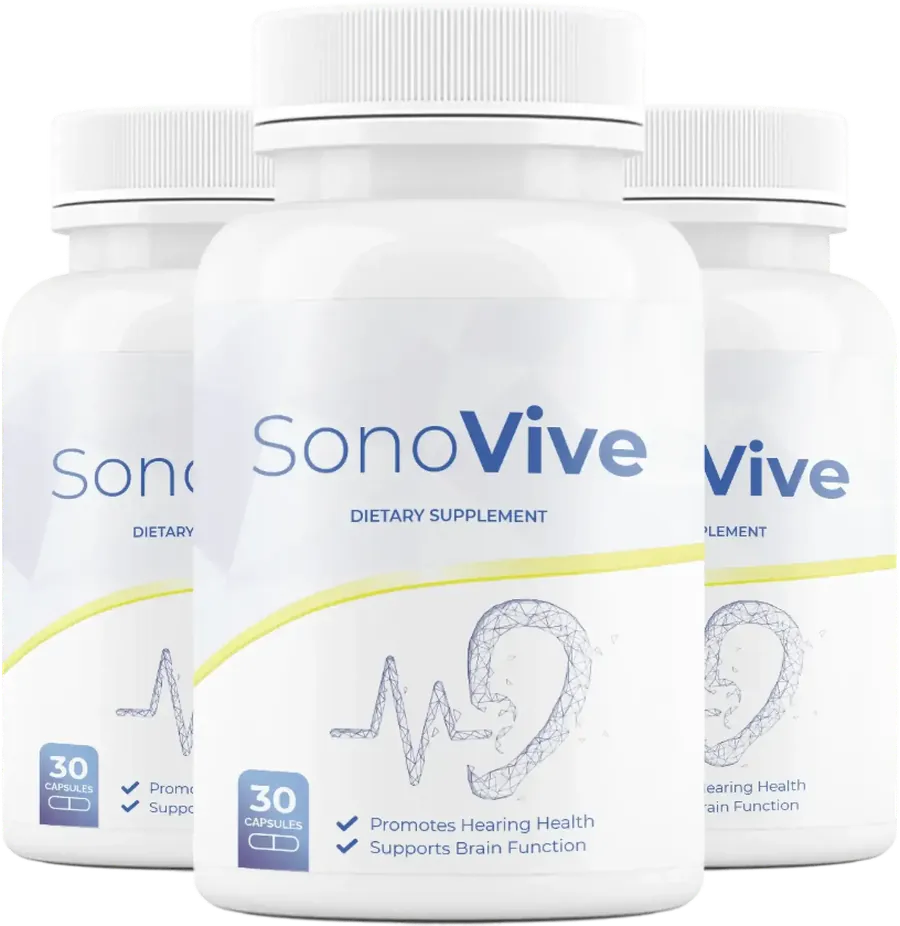
Hearing health guide
Warning signs, hearing tests, hearing aids and tinnitus helps, in plain words, before you weigh SonoVive.
Read moreSonoVive vs hearing aids
A fair side-by-side of SonoVive capsules and hearing aids: evidence, cost, safety, tinnitus and who each suits.
Read moreTinnitus: what actually helps
Ringing in the ears? The four helps NIH lists, the warning signs, and where a supplement honestly fits.
Read moreUSA Authorized SonoVive Retailer
Thinking about SonoVive?
Book a hearing test, check your medicines with a pharmacist, then pick a pack. Keep your order email: it is the key to any refund.
- Secure checkout
- 60-day money-back window
- Tracking in the order email